

Crime Insurance
Theft, fraud and forgery are losses with nothing left behind to repair or repossess.
Businesses where money and property pass through other people's hands.
The exposure follows access. Anyone able to move funds, approve a payment, handle inventory or sign on behalf of the business is a point where a crime loss can begin.
- Businesses with employees handling cash, inventory or payments.
- Operations paying a high volume of invoices, where a bogus one is easy to miss.
- Businesses where funds can be moved by a small number of people.
- Companies holding valuable, portable or easily resold property.
- Any business relying on a property policy written for fire and weather rather than for dishonesty.
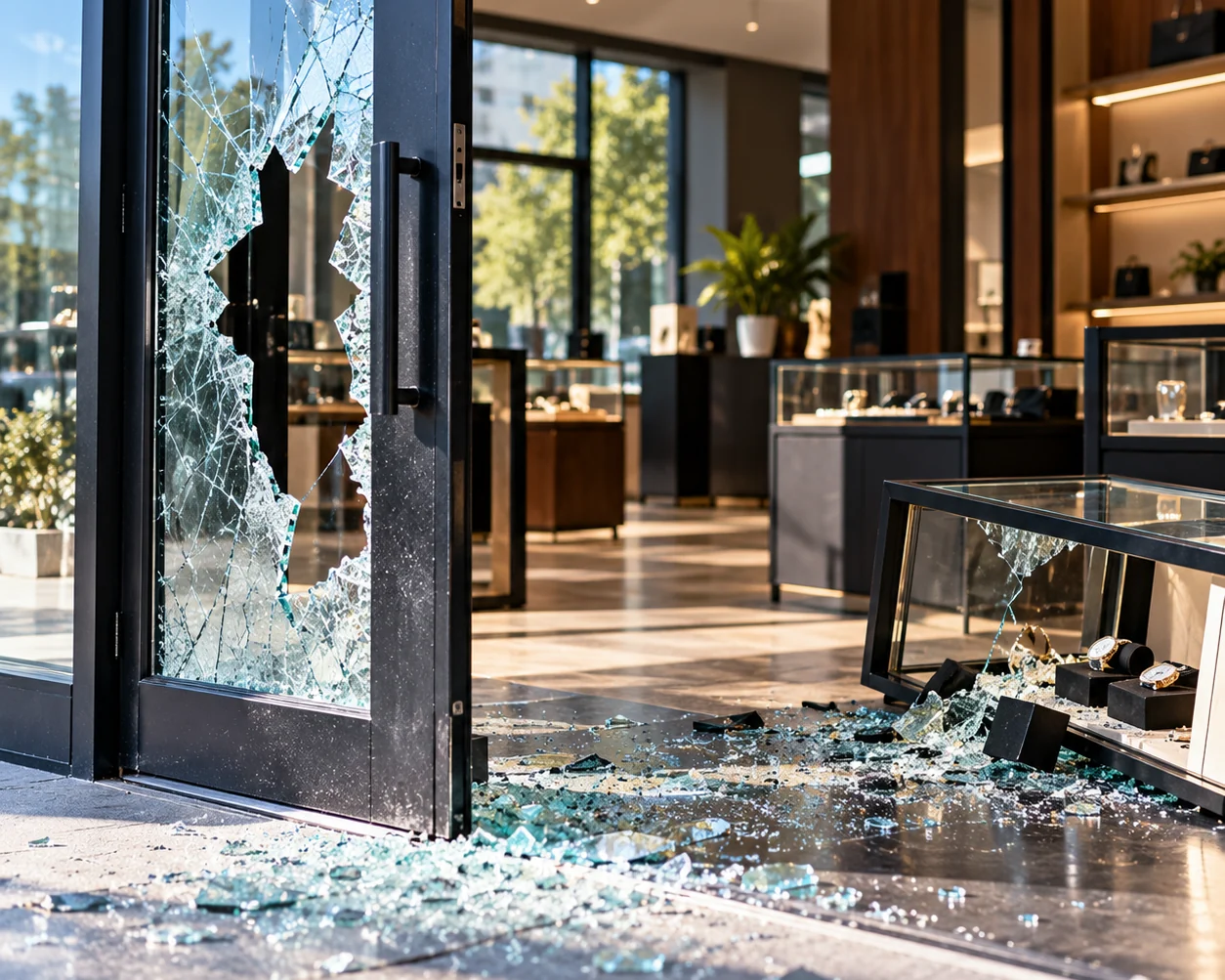
Crime insurance exists because dishonesty is the one loss where there is usually nothing to recover.
Commercial crime insurance is written primarily around white-collar crime. It may include coverage for physical property being stolen, and it reaches financial theft: fraud, funds siphoned off, and bogus invoicing.
The reason it matters is recovery. A crime loss is commonly one a business would have little or no chance of getting back through the court system, and the policy is what stands in place of that.
Where crime losses actually land.
Losses that leave nothing behind to claim against.
- The invoice that was never owed. Bogus invoicing and funds siphoned off do not look like a crime while they are happening. They look like operations, which is why this kind of loss is often long running by the time anyone finds it.
- Forgery and counterfeit money are their own mechanics. A forged instrument and a counterfeit note are both losses with no damaged property and no negligent party to pursue. They are named in crime policies because nothing else answers them.
- Sophistication is increasing, and so is opportunity. More complicated business practices and more technology mean more ways in. A policy written against last year's methods is not automatically written against this year's.
What to establish before a crime policy is bound.
Crime wordings vary, and the useful work is in reading them.
- Check exactly what is covered. Crime policies differ in which acts they name and which they leave out. As with any coverage, the list in the policy is the coverage, and the name on the front of it is not.
- Separate the property loss from the income loss. A crime policy may pay for stolen property without paying for the income that stopped because the property was gone. That second loss is a business interruption question rather than a crime one.
- Decide how partners and owners are treated. Crimes committed by partners colluding are commonly outside the policy. A business with a small ownership group should establish where that line falls before it needs to know.
- Use the insurer's prevention work. Insurers will often offer advice or support aimed at reducing the risk of suffering this kind of crime in the first place. That is value available before any claim is made.
- Ask what happens after a loss. Insurers may provide investigators, which can improve the chance of identifying who was responsible and reduce the risk of repeat offenses. It is worth knowing whether that support is part of the policy.
- Coordinate crime with cyber and with your controls. Because data breach losses and accounting errors sit outside crime cover, crime, cyber and internal financial controls have to be looked at as one program rather than three separate purchases.
Crime insurance questions we hear most
What does commercial crime insurance actually cover?
White-collar crime, primarily. That can include physical property being stolen as well as financial theft such as fraud, funds siphoned off and bogus invoicing. Fraud, burglary, theft, forgery and counterfeit money are examples of the risks a policy may answer.
Does crime insurance cover a data breach?
Generally no. Losses from data breaches are among the risks most likely to fall outside a crime policy, and they belong to cyber liability coverage instead.
Why not just pursue it through the courts?
Because in many crime losses there is nothing left to pursue. Insurance may protect against losses the business would have little or no chance of recovering through the court system, and some insurers also provide investigators to help identify who was responsible.
Are losses caused by an owner or a partner covered?
That is a term worth settling when the policy is placed rather than assuming. How partners and owners are treated varies, and it is one of the specific decisions the coverage asks you to make, alongside how the property loss and the income loss are separated.
- General Liability Insurance
- Business Owners Policy
- Commercial Property Insurance
- Workers Compensation Insurance
- Business Auto & Fleet Insurance
- Business Interruption Insurance
- Professional Liability & E&O
- Cyber Liability Insurance
- Employment Practices Liability
- D&O & Management Liability
- Commercial Umbrella Insurance
- Builders Risk Insurance
- Inland & Ocean Marine Insurance
- Surety & Commercial Bonds
- Liquor Liability Insurance
- Environmental Insurance
- Risk Management
Let's put the right policy in place.
Oxford Risk LLC is an independent agency. We represent you rather than a single carrier, which means we can place your coverage with the company whose appetite actually fits your risk. Tell us what you need to protect and an advisor will take it from there.
- Call (330) 315-3081
- Hours Monday - Friday: 8:00 AM - 4:00 PM
- Offices Fairlawn, OH, Cranberry Township, PA, Columbus, OH, Livonia, MI