

Auto Insurance
The vehicle you rely on, the people in it, and everything you own behind the liability limit.
Every driver, and some drivers more than others.
Anyone who owns or regularly drives a vehicle needs this policy. What changes from one household to the next is how much of it, and which optional parts are actually worth carrying.
- Households with more than one driver, where a single at-fault accident reaches the whole family's assets.
- Drivers financing or leasing, where the lender requires collision and comprehensive.
- Anyone driving in a no-fault state, where personal injury protection is a live decision rather than boilerplate.
- Drivers who need an SR-22 filing and are finding that not every carrier will provide one.
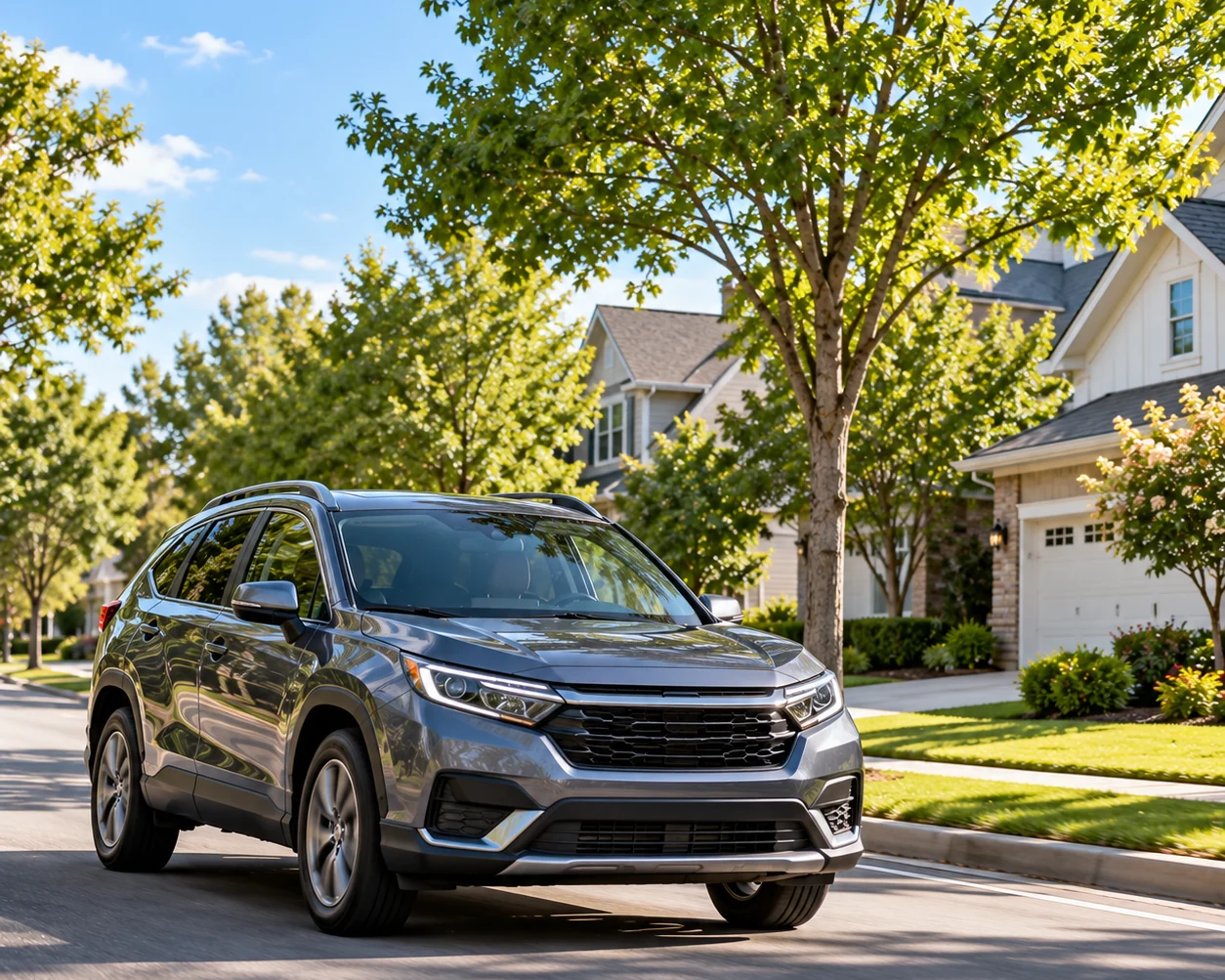
Not all auto insurance is the same, and the difference only shows up after a claim.
An auto policy is several separate coverages sold as one contract. Some are there to satisfy the state. The rest are there to protect you, and those are the ones most drivers carry too little of.
The part that matters most is liability, because it is the only part with no ceiling on what a claim could cost. Everything above your limit is your own money.
Personal injury protection and no-fault
- Personal injury protection, often called PIP or no-fault coverage, pays medical expenses for you and your passengers after an accident regardless of who caused it, and regardless of whether the injured person has health insurance.
- Depending on the policy it can also reach lost wages, some home care while you cannot manage on your own, and funeral expenses.
- Requirements vary by state. Some require PIP, some offer it as an add-on, and the state sets the minimum while the carrier sets the maximum. Michigan drivers in particular should treat this as a decision rather than a default.
- PIP is not liability coverage and does not replace it. It does not pay for injuries to the other driver, and it does not pay for damage to any vehicle.
Where auto claims actually get expensive.
The situations drivers bring to us after the fact rather than before.
- The state minimum was never a financial plan. Minimum limits exist so a vehicle can be registered, not so a serious injury claim can be paid. Medical treatment, lost wages and legal fees behind one claim can exhaust a low limit early, and everything past it becomes your personal exposure.
- The other driver may have nothing. Uninsured and underinsured motorist coverage is the part of your own policy that pays when the person who hit you cannot. It is optional in many places and it is the coverage people most regret declining.
- Liability and your own vehicle are different decisions. A policy written only to satisfy the law may pay for the car you hit and nothing for your own. Collision and comprehensive have to be on the policy, and once a vehicle is paid off nobody makes you keep them.
The decisions that shape the policy.
An auto policy is a set of choices, and the premium is only one of them.
- Set the liability limit against what you own. The limit should reflect the assets a judgment could reach, not the value of the car. This is also where a personal umbrella attaches, so the two decisions are worth making together.
- Decide the deductible deliberately. Collision and comprehensive deductibles move the premium noticeably. The right figure is the one you could actually produce on the day of the claim.
- SR-22 filings are a service, not a coverage. An SR-22 is a form filed with the state certifying that you carry liability insurance. It is generally required after events such as a DUI or DWI, an at-fault accident, reckless driving, driving under suspension or driving uninsured. Filings come in owner, operator and owner-operator forms, requirements differ by state, and not every carrier will make the filing or write the policy behind it.
- What drives the premium. Driving record, vehicle, annual mileage, where the vehicle is garaged, the deductibles and limits chosen, and whether the household's policies sit with one carrier.
Auto questions we hear most
Does my auto policy or my health insurance pay my medical bills after a crash?
It depends on where you live and what is on the policy. Where personal injury protection applies it generally responds to accident-related medical costs first, for you and your passengers, regardless of fault and regardless of whether you have health insurance. Once the PIP limit is used, health coverage is the next place to look.
What happens if the driver who hits me has no insurance?
Your own uninsured and underinsured motorist coverage is what responds, for injuries and in some cases lost wages. Without it there may be no practical source of recovery, because a driver with no insurance usually has nothing else to collect from either.
Is my own car covered if I only carry liability?
No. Liability pays for the harm you cause other people and their property. Damage to your own vehicle needs collision, for accidents, and comprehensive, for theft, fire, hail, vandalism and animal strikes.
Who needs an SR-22 and what does it actually do?
Most drivers never need one. It is a certificate filed with the state showing you carry the required liability insurance, and it is typically triggered by a serious violation or a lapse in coverage. It proves the insurance exists; it is not itself a coverage, and it does not change what your policy pays.
- Home Insurance
- Condo Insurance
- Renters Insurance
- Mobile Home Insurance
- Flood Insurance
- Classic Car Insurance
- Motorcycle Insurance
- RV Insurance
- Off-Road & Recreational Vehicle Insurance
- Boat & Watercraft Insurance
- Umbrella Insurance
- Life Insurance
- High Net Worth Insurance
- Pet Insurance
- Event & Special Event Insurance
Let's put the right policy in place.
Oxford Risk LLC is an independent agency. We represent you rather than a single carrier, which means we can place your coverage with the company whose appetite actually fits your risk. Tell us what you need to protect and an advisor will take it from there.
- Call (330) 315-3081
- Hours Monday - Friday: 8:00 AM - 4:00 PM
- Offices Fairlawn, OH, Cranberry Township, PA, Columbus, OH, Livonia, MI