

Home Insurance
The structure, everything inside it, the liability that comes with owning it, and the places a standard policy stops.
Every homeowner, and several situations a basic policy was not written for.
Anyone who owns a house needs this policy, and a lender will require it while there is a mortgage. What changes from one household to the next is the limit on the dwelling, what the contents are actually worth, and which of the optional parts are worth carrying.
- Owners with a mortgage, where a total loss has to answer for the remaining balance as well as the rebuild.
- Owners of a second, seasonal or vacation property, which is insured on different terms than a primary residence.
- Anyone whose house will sit empty for a stretch, between tenants, while it is listed for sale, or during a renovation.
- Households with jewelry, artwork, instruments, watches or collections worth more than the policy will pay for a single item.
- Households carrying both home and auto, where the two policies are worth pricing together and separately.
- Anyone whose personal information has been exposed in a data breach, a lost wallet or stolen mail.
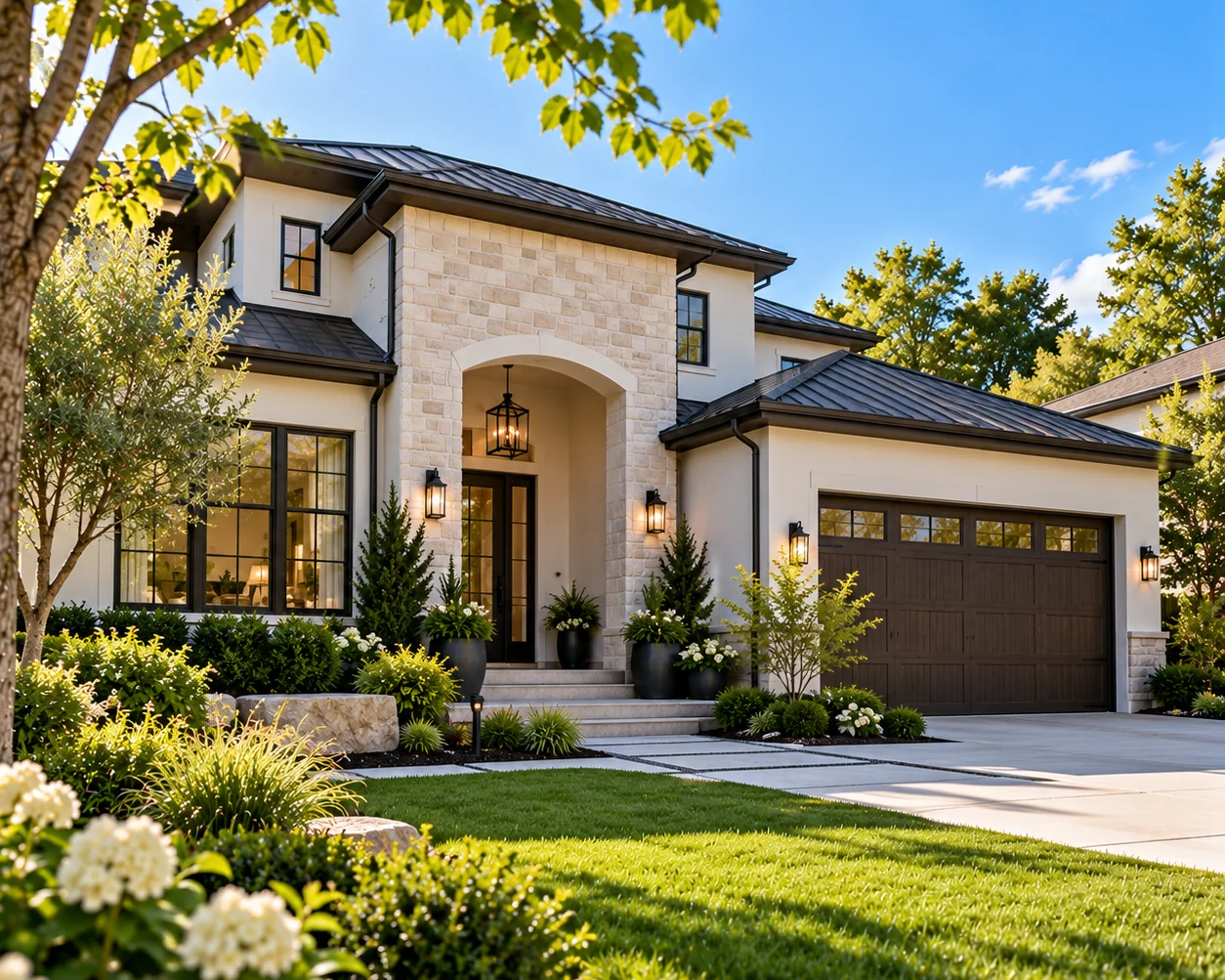
A homeowners policy makes several separate promises, and most claims go wrong at the edges of them.
A homeowners policy covers the house, the contents, your personal liability, and somewhere to live while the house is being repaired. Those four parts are set at different limits, and a policy can be adequate on one and short on another without anyone noticing until a claim.
The two failures we see most are a policy that never accounted for a specific expensive item, and a policy that was never told the circumstances of the house changed. Both are cheap to fix in advance and expensive to discover afterwards.
Where home claims actually get expensive.
The situations people bring to us after the fact rather than before.
- A total loss is a mortgage problem before it is a rebuilding problem. If the house burns, the balance on the loan does not go away with it. Without a dwelling limit that reflects what it would cost to put the house back, there is no practical way to both pay off the mortgage and rebuild.
- Water is the routine claim, not the rare one. Pipe leaks, a failed heating system that lets a pipe burst, and sewer or drain back-up cause far more claims than fire does. Small water damage also compounds: the longer it goes undiscovered, the more of the house it reaches.
- The policy has a ceiling on any single item. Homeowners and renters policies cap what they will pay for one item. That is fine for furniture and appliances, and it means a ring, a painting or a collection can be worth several times what the policy would actually pay for it.
- An empty house is a different risk, and the policy knows it. Vacancy raises the chance of fire, water damage and theft, because nobody is there to notice. It also changes whether the claim is paid at all: a homeowners policy can decline a loss that happens while the home is vacant.
- Some of the worst perils are the ones the policy names as excluded. Flood and earthquake are the clearest examples. A homeowner reading a policy as broad protection can be badly wrong about exactly the events that would destroy the house.
- Identity theft costs money in ways insurance for the house does not reach. A thief using your name can run up debt, drain an account, and create legal trouble that produces attorney and court fees, lost wages while you sort it out, notary and credit report costs, replacement of government-issued identification, and extra child care during the cleanup.
The decisions that shape the policy.
There is no single correct homeowners policy. There is a set of decisions, and each one has a version that is right for a particular house and household.
- Schedule the items the policy will not pay in full. A valuable possessions policy exists because of the per-item cap. It covers jewelry, artwork, antiques, watches, collections, electronics, musical instruments and rugs at what it would actually cost to replace the specific item rather than at a generic market price, and it commonly offers accidental damage coverage that a homeowners policy does not. It can also follow the item out of the house, which matters for a ring worn every day or a necklace worn on occasion, since a homeowners policy often will not cover jewelry lost or damaged away from home. Valuations are worth refreshing so the schedule stays current.
- Decide deliberately what to do about the excluded perils. Flood and earthquake are separate purchases. Other perils, including landslide and mudslide, the weight of snow and ice, and some forms of water damage, may be excluded outright or limited to well below the value at risk. Where one of those is a real exposure for the property, a difference in conditions policy can sit over the homeowners policy as primary coverage for a peril that is not covered at all, or as excess coverage above a limit that could be exhausted.
- Tell the carrier when the occupancy changes. A home is generally treated as vacant once it has been unoccupied for around thirty days, though the exact period varies by policy. That covers a house listed for sale, a gap between tenants, and a property emptied for remodeling. Because a homeowners policy is written for an occupied home and can reject a vacancy loss, a vacant home policy is the right instrument, covering specified risks such as fire, water, wind, hail and theft, along with vandalism and liability claims. Like any coverage, it has to be in place before the loss, not arranged after it.
- A second home is not a copy of the first policy. The principles are the same as a primary residence, with two real differences. A second home is unattended for longer stretches, which raises the risk of burglary and increases how much damage a fire or a water loss can do before anyone finds it. Limits are also often lower, because people keep fewer and less valuable possessions at a property they are not living in. Definitions vary by insurer, so it is worth confirming which one applies: broadly, a secondary home is one you use for short periods, while a seasonal home is one you stay in longer but only at certain times of year. The type of property, its location, expensive amenities and whether you rent it out all affect what it costs to insure.
- Price the home and auto bundle rather than assuming it. Buying both policies from one carrier commonly earns a multi-policy discount and makes the paperwork and the renewal simpler, with one company to deal with and often one premium to pay. It is not automatically the cheapest total, though, and some carriers will only bundle particular policies, which can mean buying more coverage than you need in order to qualify for the rate. The comparison worth making is the bundled quote against the two policies priced on their own. Renters can bundle with auto on the same logic.
- Separate identity theft services from identity theft insurance. They are two products that are often sold together. The service side monitors for fraudulent activity such as accounts opened in your name or credit inquiries you did not authorize, sometimes watches the dark web and a child's information, alerts you, and helps with recovery. The insurance side reimburses the costs of cleaning it up and usually includes access to fraud specialists. Before buying either, find out what you already have: banks and credit cards commonly provide unauthorized-charge protection and some monitoring at no cost, and a home or renters policy may offer a measure of it, though usually as an endorsement or rider rather than as part of the base policy.
Home insurance questions we hear most
Does my homeowners policy cover flood?
No. Flood is excluded from a homeowners policy and has to be bought as separate coverage. Earthquake is the same. Water that enters the house as a plumbing failure or a sewer back-up is a different question from flood, and back-up coverage is often an option you have to add rather than something already on the policy.
My engagement ring is worth more than my policy will pay. What do I do about that?
Schedule it. Homeowners policies cap what they will pay for any single item, so an expensive ring, painting or collection can be insured for a fraction of its value under the base policy. A valuable possessions policy covers the specific item at what it would cost to replace, frequently adds accidental damage coverage, and can follow the item away from the house, which a homeowners policy often will not do.
My house will be empty for a few months. Is it still covered?
Probably not the way you expect. A home is generally considered vacant after roughly thirty days unoccupied, though the period varies by policy, and a homeowners policy is written for an occupied home and can decline a loss that happens during vacancy. Whether the house is listed for sale, between tenants or being renovated, a vacant home policy is the right coverage, and it has to be in place before anything happens.
Do I need identity theft coverage if my bank already monitors my accounts?
Start by finding out what you actually have. Banks and credit card issuers commonly cover unauthorized charges and may provide monitoring at no charge, and a home or renters policy sometimes offers identity theft protection as an endorsement. What those usually do not do is reimburse the cost of recovery: attorney and court fees, lost wages, notary fees, credit reports, replacing identification and extra child care while you deal with it. That is what the insurance side is for.
- Condo Insurance
- Renters Insurance
- Mobile Home Insurance
- Flood Insurance
- Auto Insurance
- Classic Car Insurance
- Motorcycle Insurance
- RV Insurance
- Off-Road & Recreational Vehicle Insurance
- Boat & Watercraft Insurance
- Umbrella Insurance
- Life Insurance
- High Net Worth Insurance
- Pet Insurance
- Event & Special Event Insurance
Let's put the right policy in place.
Oxford Risk LLC is an independent agency. We represent you rather than a single carrier, which means we can place your coverage with the company whose appetite actually fits your risk. Tell us what you need to protect and an advisor will take it from there.
- Call (330) 315-3081
- Hours Monday - Friday: 8:00 AM - 4:00 PM
- Offices Fairlawn, OH, Cranberry Township, PA, Columbus, OH, Livonia, MI