

Event & Special Event Insurance
One day, a year of deposits behind it, and a venue contract asking for proof of liability coverage.
Anyone who has signed a venue contract or written a deposit check.
Most events qualify, whether they are held at a venue or at home. Exclusions vary by policy: bachelor and bachelorette parties, for instance, are commonly excluded.
- Couples planning a wedding, where the deposits start a year out and the date cannot be quietly moved.
- Hosts of milestone celebrations: anniversary parties, baby showers, birthdays, family reunions, graduation and retirement parties.
- Businesses running a conference, party or client event where the venue requires a certificate.
- Any host serving alcohol, at a venue or at their own home.
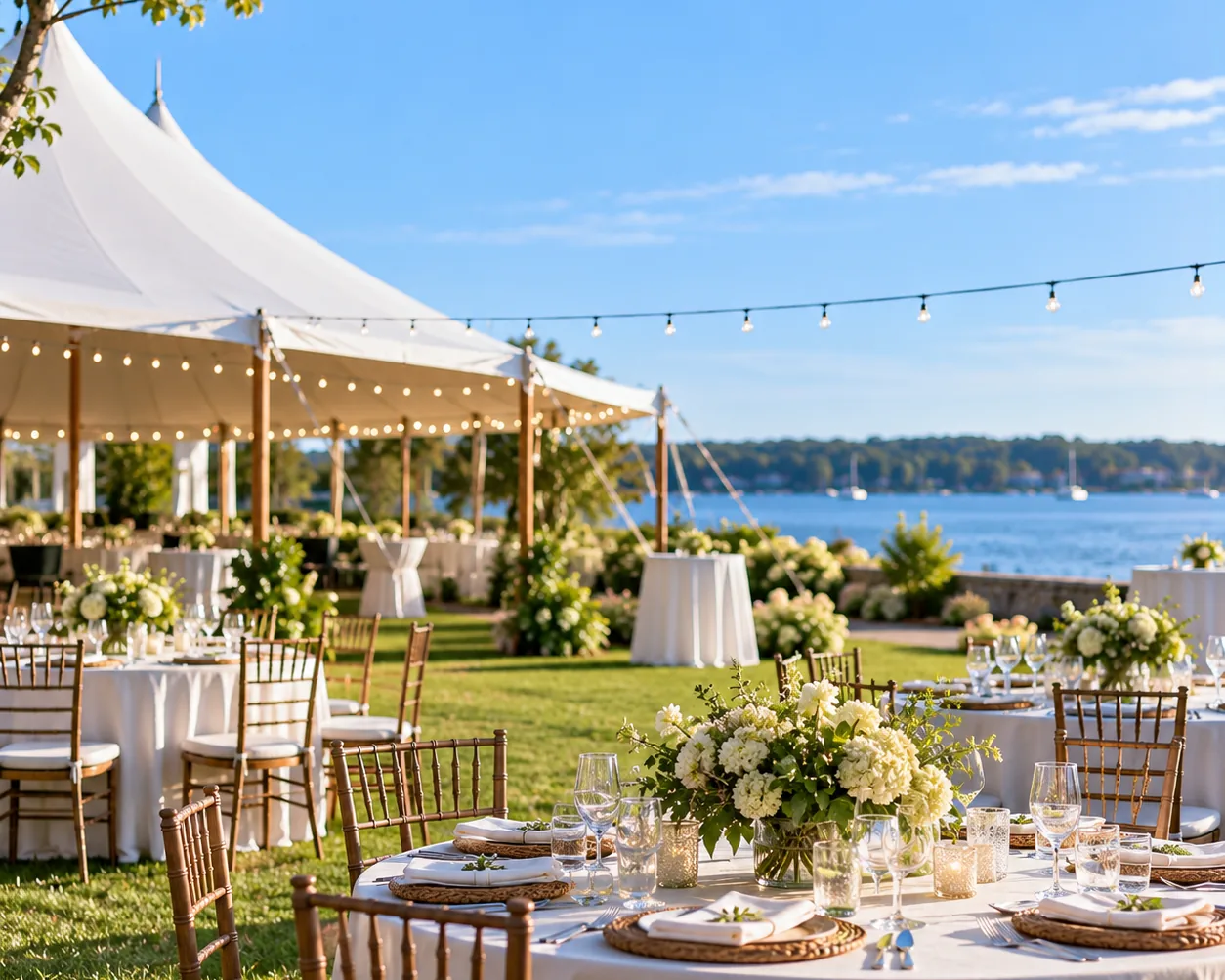
An event policy answers two separate questions: who pays if someone is hurt, and who pays if the day does not happen.
Coverage needs change with the event, but nearly every policy is built from the same two parts. Liability responds when property is damaged or a person is injured at the event. Cancellation responds when the event has to be moved or called off and the money already committed to it is gone.
The two are bought together because they fail at different moments. Liability matters on the day. Cancellation matters in the weeks before it, when a vendor stops answering or the forecast turns.
Cancellation and postponement
- Many venues and vendors do not refund deposits. Cancellation coverage may reimburse lost deposits and other fees when an event has to be cancelled or postponed.
- The name understates it. Cover typically reaches postponement rather than outright cancellation only, and in some policies the extra money you spend when the event still goes ahead but a supplier or the venue lets you down.
- Common triggers include a key vendor or the venue going bankrupt, extreme weather such as a tornado, hurricane or blizzard, and illness affecting you or an immediate family member. Some policies treat a communicable disease, COVID-19 among them, as a covered cause.
Weddings
- A wedding is the event most often insured, because it carries the longest run of non-refundable deposits and the least ability to reschedule quietly. Policies are usually written around the specific couple rather than sold as a single form.
- Accidental damage to the things that cannot be replaced on the morning of the wedding: attire, the rings, the food.
What actually goes wrong at an event.
Almost none of it involves the host doing anything careless.
- A guest is injured and the host is the one named. A fall, a collapsed table, a hand caught in a door, and at a corporate event venue staff working the room as well as invited guests. The claim lands on whoever is hosting, and at a rented venue the contract usually says that is you.
- A vendor or the venue fails before the date. Bankruptcy, a no-show, a supplier who cannot deliver what was contracted. The deposits are gone either way, and either the event is postponed or it costs more to save.
- The weather makes the decision for you. A tornado, hurricane or blizzard can force a cancellation outright. Ordinary bad weather generally cannot, which is the distinction most people discover after the fact.
- Alcohol at the event becomes a liability question. Serving guests creates an exposure that the underlying event liability does not necessarily answer, and an alcohol-related claim can arrive as a lawsuit, medical bills and damage to the venue's property at once. Host liquor liability is what addresses it.
The decisions that shape the policy.
Most of these get made before the guest list is final.
- Buy it when the deposits start, not the week of the event. Cancellation coverage protects money already committed, so it needs to be in place before that money is at risk. The usual point to put coverage on is when the first deposits and vendor payments go out.
- Read the venue contract before choosing a limit. Venues set their own liability requirements and often want to be named on the certificate. That requirement, not a guess, should set the limit and the timing.
- Match the alcohol wording to how the bar is run. Whether guests pay for drinks can change how the policy treats an alcohol-related claim. Decide the bar arrangement and the coverage together.
- Account for the length of the event. A few hours and a few days are different exposures. A multi-day event, or one with load-in and teardown around it, may need coverage that reaches beyond the day itself.
- Know what the policy will not do. Certain event types are commonly excluded, third-party equipment rentals usually sit outside the liability extension, ordinary bad weather is not a covered cancellation cause, and a change of heart is not either.
- What drives the cost. The type and length of the event, where it is held, how many people attend, whether food and alcohol are served, whether outside vendors are involved, and the liability limit chosen.
Event questions we hear most
My venue says I need event insurance. What are they actually asking for?
Event liability coverage, usually with a certificate naming the venue. It responds to property damage or injury caused by you or a guest during the event, and most venues will not release the space without it.
If we postpone the wedding rather than cancel it, is that covered?
Often yes. Cancellation coverage generally reaches postponement as well as outright cancellation, for defined reasons such as illness, a military deployment, or extreme weather. The list of accepted reasons is the part worth reading, because it varies by policy.
Do I need host liquor liability if I am not selling drinks?
It is worth carrying either way. As the host you can be held responsible for what a guest does after being served at your event, including injuring another guest or damaging the venue's property. Whether guests pay for drinks can change how a policy treats the claim, so the wording should match how the bar is being run.
When should we put coverage in place?
Once deposits and vendor payments begin. Cancellation coverage exists to protect money already committed, so buying it after the commitments are made leaves the earliest and often largest payments unprotected.
Does the policy cover the equipment we rented?
Equipment rented directly from the venue may fall under the event liability coverage. Equipment rented from a third party is usually excluded, so staging, lighting, tenting and audio brought in from outside generally need to be addressed separately.
- Home Insurance
- Condo Insurance
- Renters Insurance
- Mobile Home Insurance
- Flood Insurance
- Auto Insurance
- Classic Car Insurance
- Motorcycle Insurance
- RV Insurance
- Off-Road & Recreational Vehicle Insurance
- Boat & Watercraft Insurance
- Umbrella Insurance
- Life Insurance
- High Net Worth Insurance
- Pet Insurance
Let's put the right policy in place.
Oxford Risk LLC is an independent agency. We represent you rather than a single carrier, which means we can place your coverage with the company whose appetite actually fits your risk. Tell us what you need to protect and an advisor will take it from there.
- Call (330) 315-3081
- Hours Monday - Friday: 8:00 AM - 4:00 PM
- Offices Fairlawn, OH, Cranberry Township, PA, Columbus, OH, Livonia, MI