

Off-Road & Recreational Vehicle Insurance
ATVs, UTVs, snowmobiles, dirt bikes and golf carts. One policy, because the home and auto policies you already have generally leave them out.
Owners who found out what the home policy excludes.
These machines carry many of the same financial risks as a car: accidents, breakdowns, property damage and injuries. What they do not carry is coverage under the policies most owners assume are already handling them.
- Anyone with an ATV, UTV, dirt bike or snowmobile parked at home and no separate policy on it.
- Golf cart owners, including those who drive one on neighborhood streets.
- Riders who ride on trails or on land they do not own.
- Anyone renting or leasing a machine, where damage to it is a contractual obligation rather than a choice.
- Households with several machines and several riders sharing them.
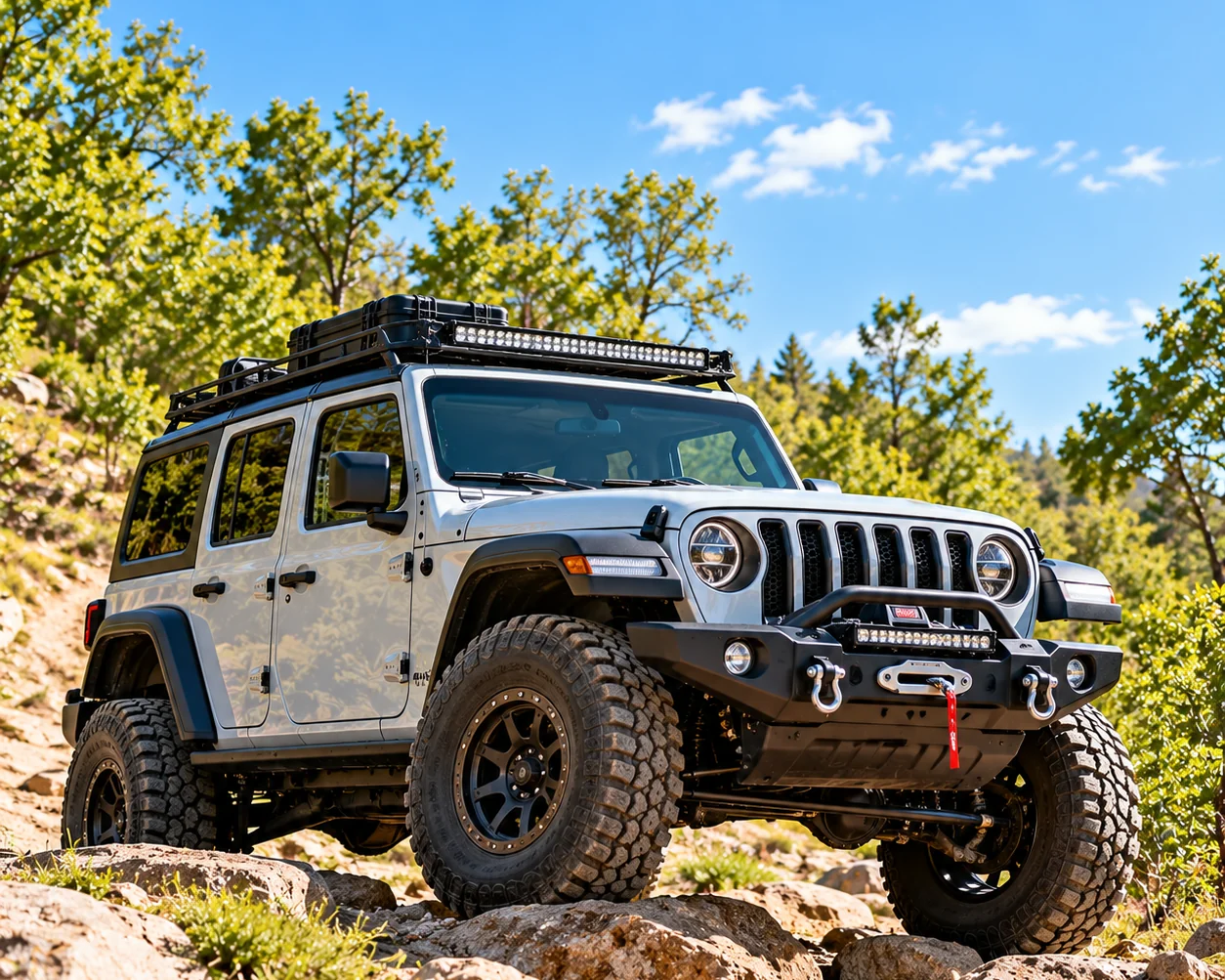
The assumption that the home policy covers the four-wheeler in the garage is the most expensive one owners make.
Many home insurance policies exclude ATVs, dirt bikes, snowmobiles, golf carts and similar machines, which means a theft or a loss can come out of your own pocket. Standard auto policies typically will not cover them either, because riding off-road is a different risk from driving on a road.
A specialty policy is written around the machine and the way it is actually used. It borrows its structure from auto insurance, so the components are familiar even though the exposures are not.
Where off-road claims come from.
Rarely from the situations owners expect when they buy the machine.
- The machine is stolen out of the garage. This is the most common loss and the one most often uninsured, because the home policy that would normally respond to a theft generally excludes these vehicles.
- You hit something that is not a vehicle. A fence, a tree, a rock. Collision coverage responds to the damage to your own machine whether or not another vehicle was involved.
- Someone else is injured on the trail. A rider you collide with, a passenger, a bystander. The liability component is what answers for their medical costs and for property you damage, and off-road riding puts you among people and property you have no relationship with.
- The other party has no insurance. If the person who caused the accident is uninsured or underinsured, your own uninsured and underinsured motorist coverage is the practical source of recovery for bodily injury and lost wages.
- A breakdown a long way from a road. Recovery costs for a machine that stops working somewhere remote are a real expense, and roadside assistance coverage is what addresses them.
The decisions that shape the policy.
The policy is written around the machine and the use, so both have to be described accurately.
- Describe the actual use, not the intended use. Trail riding, hunting, plowing, farm work and on-street golf cart use are different exposures. The policy is customized to the machine and how it is used, which only works if the use is stated correctly.
- Keep comprehensive on through the off-season. Storage is when theft, fire, flooding and weather damage happen. Comprehensive is the component that covers those, and dropping it over the winter removes coverage for the months the machine is most exposed.
- Set the liability limit against what you own. Liability is the part with no ceiling on what a claim could cost. Where coverage is not required by law, that does not make the exposure smaller, only uninsured.
- A limited mileage allowance can lower the cost. If the machine is ridden lightly, a policy with an annual mileage allowance may cost less. It only works if the allowance is realistic.
- Ask about the discounts that apply here. Completing a safety course may qualify for a discount, and adding the machine alongside an existing auto or other policy may qualify for a multi-policy discount.
Off-road questions we hear most
Is my ATV covered by my homeowners policy?
Generally not. Many home policies specifically exclude ATVs, dirt bikes, snowmobiles, golf carts and similar vehicles, which leaves a theft or a damage claim as an out-of-pocket cost. Standard auto policies typically will not cover them either, because the risks of off-road use are different from road use.
Is snowmobile insurance required?
It depends on where you ride. Some regions require it and some do not. Where it is not required, the exposure is unchanged: liability claims, property damage and medical expenses after an accident would come out of your own funds.
Can one policy cover several different machines?
These policies are written for the whole category, from ATVs and UTVs to snowmobiles, dirt bikes, dune buggies, rock crawlers, golf carts and camping trailers. Each machine is scheduled with its own coverage, so how the household's machines are arranged is worth discussing rather than assuming.
Should I drop coverage when the machine is in storage?
Dropping comprehensive removes coverage for exactly the losses that happen in storage: theft, fire and weather damage. Liability matters less while the machine is parked, but the physical damage side matters more.
Let's put the right policy in place.
Oxford Risk LLC is an independent agency. We represent you rather than a single carrier, which means we can place your coverage with the company whose appetite actually fits your risk. Tell us what you need to protect and an advisor will take it from there.
- Call (330) 315-3081
- Hours Monday - Friday: 8:00 AM - 4:00 PM
- Offices Fairlawn, OH, Cranberry Township, PA, Columbus, OH, Livonia, MI