

Boat & Watercraft Insurance
A marine policy is its own contract. It is not an extension of the home policy, and it is not written like auto.
Owners, and anyone whose boat is worth more than their home policy will pay for it.
- Owners of powerboats, sailboats and personal watercraft used for recreation.
- Anglers and watersports owners, whose gear and electronics often exceed what a general policy would replace.
- Yacht owners, where hull value, crew and where the vessel travels all have to be written into the contract.
- Owners in hurricane-exposed waters, where moving the vessel ahead of a storm is a foreseeable cost.
- Anyone financing a boat, where the lender has an interest in how the hull is insured.
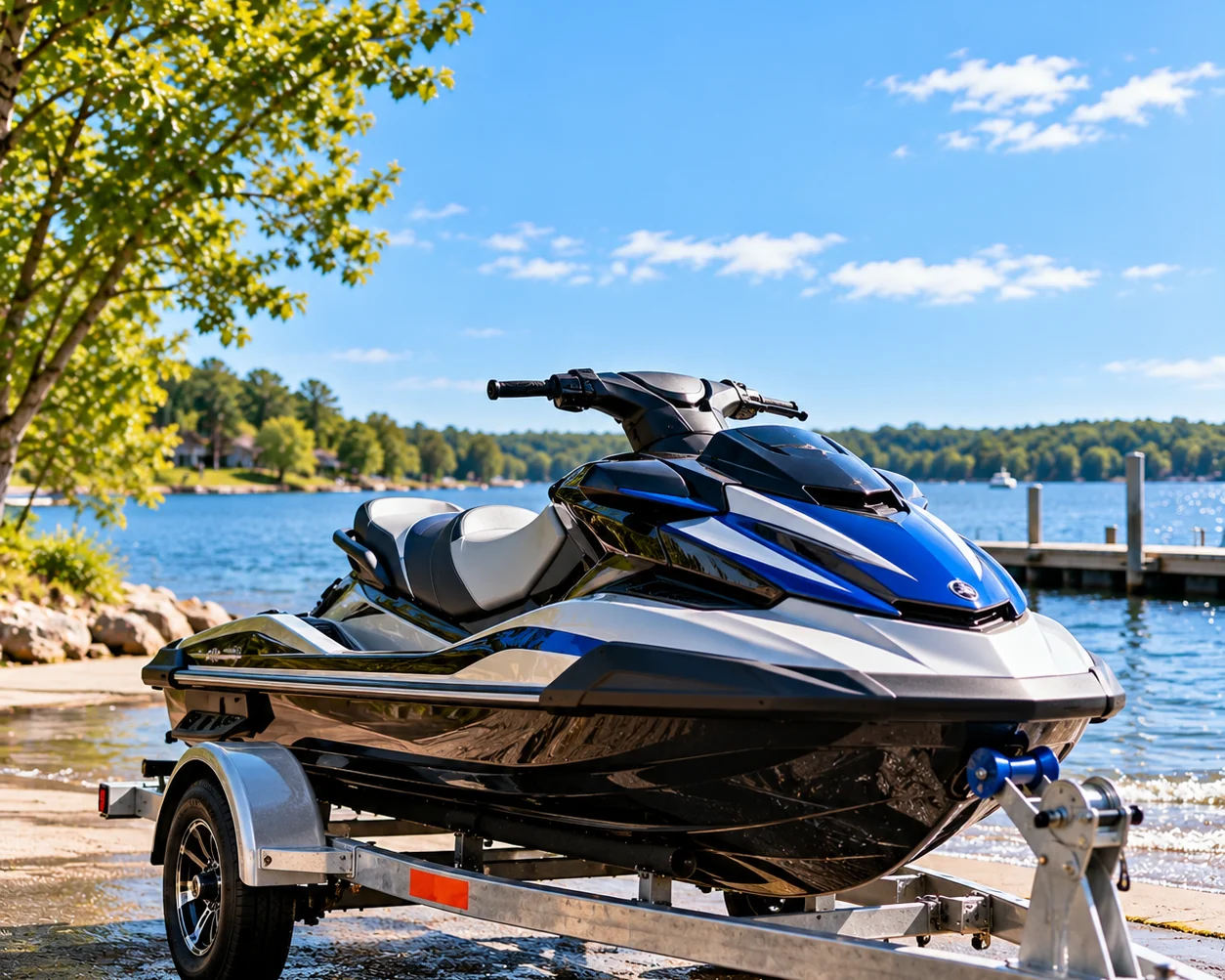
Boats carry the same risks as vehicles and one more: the cleanup.
Like motor vehicles, boats and other watercraft are exposed to accidents, theft, breakdowns, property damage and liability claims. What is different is the environment, which is why the coverage is written as a separate marine contract rather than bolted onto something else.
Watercraft insurance, also called boat insurance, is usually built from two standard elements with a short list of optional additions that matter more than their position on the quote suggests.
What goes wrong on the water.
Most of it happens close to the dock rather than out in open water.
- A collision involves two hulls and several people. Liability answers for damage to the other boat and injuries to the people aboard it, plus the legal costs behind the claim. On the water the number of injured parties in a single incident can be higher than on a road.
- The boat is damaged by something other than a collision. Fire, severe weather, theft and vandalism are all physical damage claims, and a boat spends most of its life unattended at a dock, on a lift or on a trailer.
- A breakdown becomes a recovery operation. A disabled boat has to be towed in. Towing and assistance coverage is the difference between an inconvenience and a bill.
- A spill has to be cleaned up. If the hull is badly damaged, fuel and oil cleanup can become the owner's obligation under the rules that apply in those waters. It is a cost with no relationship to the value of the boat.
- The other boater has nothing. Uninsured and underinsured boater coverage is your own policy responding when the operator who caused the accident cannot, for physical damage, injuries and medical expenses.
The decisions that shape the policy.
On a marine policy the valuation and the territory matter as much as the limit.
- Decide how the hull is valued. A guaranteed payout amount generally costs more in premium. A cash-value policy costs less and pays based on the market price of the vessel at the time of the claim. The right answer depends on the boat's value and how quickly it depreciates.
- Confirm where the policy covers you to operate. Marine policies describe a navigation area. A cruise beyond it, or a seasonal move to different waters, is something to arrange before leaving rather than to discover during a claim.
- Schedule the gear separately. Fishing tackle, watersports equipment and electronics are covered through personal property and unattached equipment coverage, not automatically by the hull coverage. The limit should reflect what is actually aboard.
- Read the cleanup wording. Fuel and oil spill cleanup is one of the few marine costs that can exceed the value of the boat. Whether and how the policy responds is worth establishing at the outset.
- Address crew as an employment exposure. If anyone is paid to work aboard, that is not covered by the liability that answers for guests. It has to be handled as its own item.
- Plan for storm movement. Where hurricanes are a live risk, the cost of relocating the vessel ahead of a warning can be addressed on the policy rather than absorbed.
Boat questions we hear most
Does my homeowners policy cover my boat?
Not in any way you should rely on. A boat carries accident, theft, breakdown, property damage and liability exposures of its own, and those are written in a separate marine policy. The two standard elements are physical damage to the boat and liability for damage you cause to other boats and people.
What is different about insuring a yacht?
The value, mostly. A yacht is typically worth beyond what a standard boat policy is built for, so the hull valuation, the liability reaching passengers and other vessels, the waters the policy covers, and any paid crew all have to be written to fit the vessel rather than adapted to it.
Is boat insurance required?
It depends on where you are, and in some places it is not required at all. Local rules are worth checking. Where it is not required, the cost of repairing or replacing the vessel and of an injury claim against you is unchanged.
Are my fishing rods and electronics covered?
Through personal property and unattached equipment coverage rather than through the coverage on the boat itself. It may pay replacement costs for belongings kept or used aboard if they are stolen, and it is usually worth more than owners assume once the gear is added up.
What happens if my boat breaks down out on the water?
Towing and assistance coverage addresses it. Expenses for a tow or for refueling may be covered, which matters more on the water than on a road because there is no way to reach help on your own.
- Home Insurance
- Condo Insurance
- Renters Insurance
- Mobile Home Insurance
- Flood Insurance
- Auto Insurance
- Classic Car Insurance
- Motorcycle Insurance
- RV Insurance
- Off-Road & Recreational Vehicle Insurance
- Umbrella Insurance
- Life Insurance
- High Net Worth Insurance
- Pet Insurance
- Event & Special Event Insurance
Let's put the right policy in place.
Oxford Risk LLC is an independent agency. We represent you rather than a single carrier, which means we can place your coverage with the company whose appetite actually fits your risk. Tell us what you need to protect and an advisor will take it from there.
- Call (330) 315-3081
- Hours Monday - Friday: 8:00 AM - 4:00 PM
- Offices Fairlawn, OH, Cranberry Township, PA, Columbus, OH, Livonia, MI