

Medical, Dental and Veterinary Practice Insurance
The practice policy covers the office, the equipment, the records and the staff. The treatment you provide is insured separately, and the distinction matters.
Practices with clinical equipment, patient records and a license to protect.
Independent and group practices across all three disciplines, including the ones sharing space, sharing staff or covering for each other.
- Physician practices, clinics and specialty offices.
- Dental practices, including those using visiting practitioners for coverage.
- Veterinary practices, including those that board, hospitalize or transport animals.
- Practices storing patient or client records digitally, on paper, or both.
- Practices holding vaccines, medication or other temperature-sensitive supplies on site.
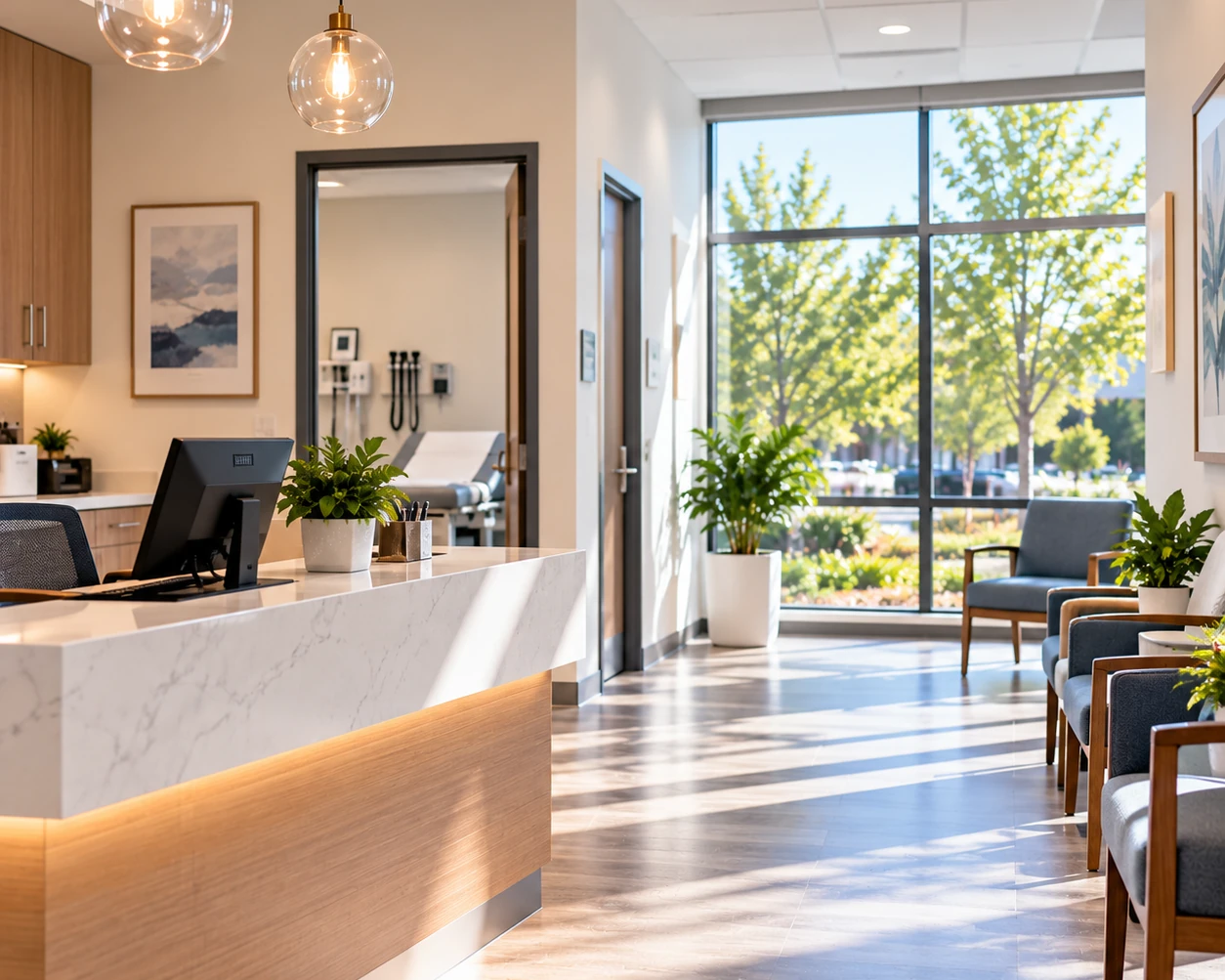
A practice is a business wrapped around a license, and the two are insured by different policies.
Medical, dental and veterinary practices buy the same structure. The property is clinical rather than commercial: imaging and X-ray equipment, chairs, sterilizers, monitors and refrigerated supplies, most of it expensive to replace and easy to underinsure on a standard schedule. The records are sensitive, whether they sit on a server or in a filing cabinet. The billing is regulated. The staff work in close contact with patients, needles and, in a veterinary setting, animals.
What separates these practices from one another is mainly the licensing body they answer to and the specific equipment on the floor. What separates all of them from an ordinary office tenant is that a complaint about care, however unfounded, has to be defended, and the defense is expensive before anyone reaches the question of fault.
What a practice actually has to insure.
Most of these are invisible until the day they are not.
- Spoilage after a failure nobody would call a disaster. An electrical failure or a mechanical breakdown can spoil vaccines and other medical supplies. The building is fine, the loss is real, and it is a specific coverage question rather than a general one.
- Records are the most sensitive thing you hold. A data breach or a computer hack in a practice reaches exactly the information that is hardest to have exposed. Paper records carry their own version of the problem: after a fire they can be expensive to reconstruct.
- Billing and regulatory errors. Regulatory billing errors are an exposure in their own right, separate from anything clinical, and so is fiduciary crime inside the practice.
- Staff injuries are ordinary here. Needlestick injuries, the tools of the trade, and close proximity to patients make injury more likely than the office setting suggests. In a veterinary practice, handling sick or injured animals adds bites and scratches to the list.
- Animals in your care. A practice that boards, hospitalizes or transports animals has taken custody of property its clients value as family, and injury, death or loss of an animal is a claim a general business policy is not written for.
- Who is actually working in the office. Visiting practitioners covering a vacation or an extended illness, an owner filling in at another office, and intermittent contract workers all change the picture. The insurer needs to know who is working where.
What belongs on a practice program.
The practice policy answers the business. Care and treatment liability is placed separately, and knowing which is which is the point of this list.
- Property, with limits set to clinical equipment. Damage to the premises and contents, scheduled against what the treatment rooms actually hold rather than against a generic office contents figure.
- Equipment breakdown and spoilage. For mechanical and electrical failure and for the medical supplies, including vaccines, that fail with it.
- Business interruption. Income replacement for the period the office cannot be used.
- General liability. Injury to patients, clients and visitors on the premises, and damage to their property, none of which is about treatment.
- Cyber liability. For breach of the records the practice holds, which is the exposure with the longest tail in a clinical setting.
- Professional liability for care and treatment, placed separately. A practice policy is highly unlikely to cover malpractice or any liability relating to the advice and treatment provided. Medical, dental and veterinary malpractice coverage is written under its own policy, and it has to be bought as such. Assuming the practice policy answers a treatment claim is the single most common mistake in this segment.
- Licensing board and administrative defense. For complaints to a state licensing board, peer review and credentialing matters, and other regulatory proceedings, which follow a different track from a lawsuit and still require paid counsel.
- Animal bailee coverage. For practices taking animals into their care, custody and control, covering costs related to the injury, death or loss of an animal while it is boarded, hospitalized or transported.
- Workers compensation. Medical costs and lost income for employees hurt on the job, which in this setting includes needlesticks, tool injuries and animal bites.
- Employment practice liability. Defense against employee claims, including discrimination allegations.
- Crime and fiduciary coverage. For theft and fiduciary crime inside the practice.
- Commercial umbrella. Limits above the underlying liability policies.
What changes from one practice to the next.
The structure is shared. The equipment, the custody question and the licensing body are not.
Physician practices and clinics
The exposures concentrate in the supplies and the records. An electrical or mechanical failure can spoil vaccines and other medical goods, a breach reaches some of the most sensitive data any small business holds, and paper records can be costly to reconstruct after a fire.
Dental practices
The treatment rooms hold equipment specific to the profession: X-ray machines, dental chairs, lights and sterilization equipment, all costly to replace and frequently underinsured on a standard business schedule. Staffing is the other difference. Visiting practitioners commonly cover vacations or extended illness, and a dentist may in turn work in someone else's office, so the insurer needs to know who is working where. Basic dental practice policies generally do not cover malpractice, and a patient can either sue or report the dentist to the licensing board, which is why dental malpractice and peer review coverage is treated as central rather than optional.
Veterinary practices
Veterinary practices add a custody exposure the others do not have. Boarding, hospitalizing or transporting animals puts client property in your care, and animal bailee coverage is what responds to injury, death or loss of a pet during that time. Malpractice and complaints to the state licensing bureau both have to be defended, including unfounded ones, and that defense generally requires attorneys familiar with veterinary practice. Staff injuries also look different here: handling sick or injured animals brings bites alongside the scalpel and needle exposures shared with every clinical setting.
Practice questions we hear most
Does a practice policy cover malpractice?
No. A practice policy is highly unlikely to cover malpractice or other liabilities relating to the advice and treatment you provide. That coverage is written separately, as medical, dental or veterinary malpractice insurance, and it has to be purchased as its own policy. The practice policy answers the building, the equipment, the records, the staff and the business itself.
What happens if a patient reports us to the licensing board instead of suing?
It still has to be defended, and the defense is separate from a malpractice suit. Administrative and license defense coverage responds to the legal costs of actions taken by state licensing boards, peer review and credentialing bodies and other regulatory matters. These claims must be answered even when they are unfounded.
Is our clinical equipment covered by a standard business policy?
It may be listed but underinsured. Imaging and X-ray equipment, treatment chairs, lights, sterilizers and monitors cost far more to replace than general office contents, and standard limits are frequently set too low. Equipment breakdown and spoilage coverage is also worth checking, because a mechanical or electrical failure can destroy vaccines and other supplies without touching the building.
We board and hospitalize animals. Is that covered by general liability?
No. Once an animal is in your care, custody and control, the exposure is a bailee exposure. Animal bailee coverage is written for pet businesses that take customers' animals in and covers costs related to the injury, death or loss of an animal. General liability answers injury to the people who walk in, not harm to the animals you are holding.
Do we need coverage for visiting practitioners and contract workers?
You need to know where the responsibility sits. When a visiting practitioner covers your office, or you cover someone else's, the insurer should know who is working where. For contract workers on an intermittent basis, the question is what obligations the practice has to provide coverage for them, and it is worth settling before someone is hurt or a claim arrives.
- Contractors, Trades & Field Services
- Manufacturing & Distribution
- Energy, Oil & Gas
- Agriculture & Farm
- Transportation & Logistics
- Trucking Insurance
- Automotive Businesses
- Restaurant, Hospitality & Food Service
- Retail & Consumer Businesses
- Beauty, Salon, Spa & Personal Care
- Sports, Fitness & Recreation
- Cannabis Insurance
- Senior Care & Residential Facilities
- Professional Services
- Technology & Digital Businesses
- Nonprofit, Community & Public Entity
- Real Estate, Property Owners & Lessors
Let's put the right policy in place.
Oxford Risk LLC is an independent agency. We represent you rather than a single carrier, which means we can place your coverage with the company whose appetite actually fits your risk. Tell us what you need to protect and an advisor will take it from there.
- Call (330) 315-3081
- Hours Monday - Friday: 8:00 AM - 4:00 PM
- Offices Fairlawn, OH, Cranberry Township, PA, Columbus, OH, Livonia, MI