

Retail & Consumer Business Insurance
The building, the stock inside it, and the public you invite through the door every day.
Businesses where the customer comes to you.
This is the hub for stores and consumer-service operations: anywhere the public walks in, and anywhere the value of the business is sitting on a shelf, in a display case, in a cooler or in a fuel tank.
- Grocery, convenience and specialty food stores, including those with a deli, pharmacy or beer and wine license.
- Gas stations and fuel retailers, with or without a store, car wash or repair bay attached.
- Jewelers, galleries, furriers and anyone whose inventory is worth more per square foot than the building.
- Florists and other shops whose stock is perishable and whose vehicles are on the road daily.
- Pet stores, groomers, kennels, daycares and trainers who take animals into their care.
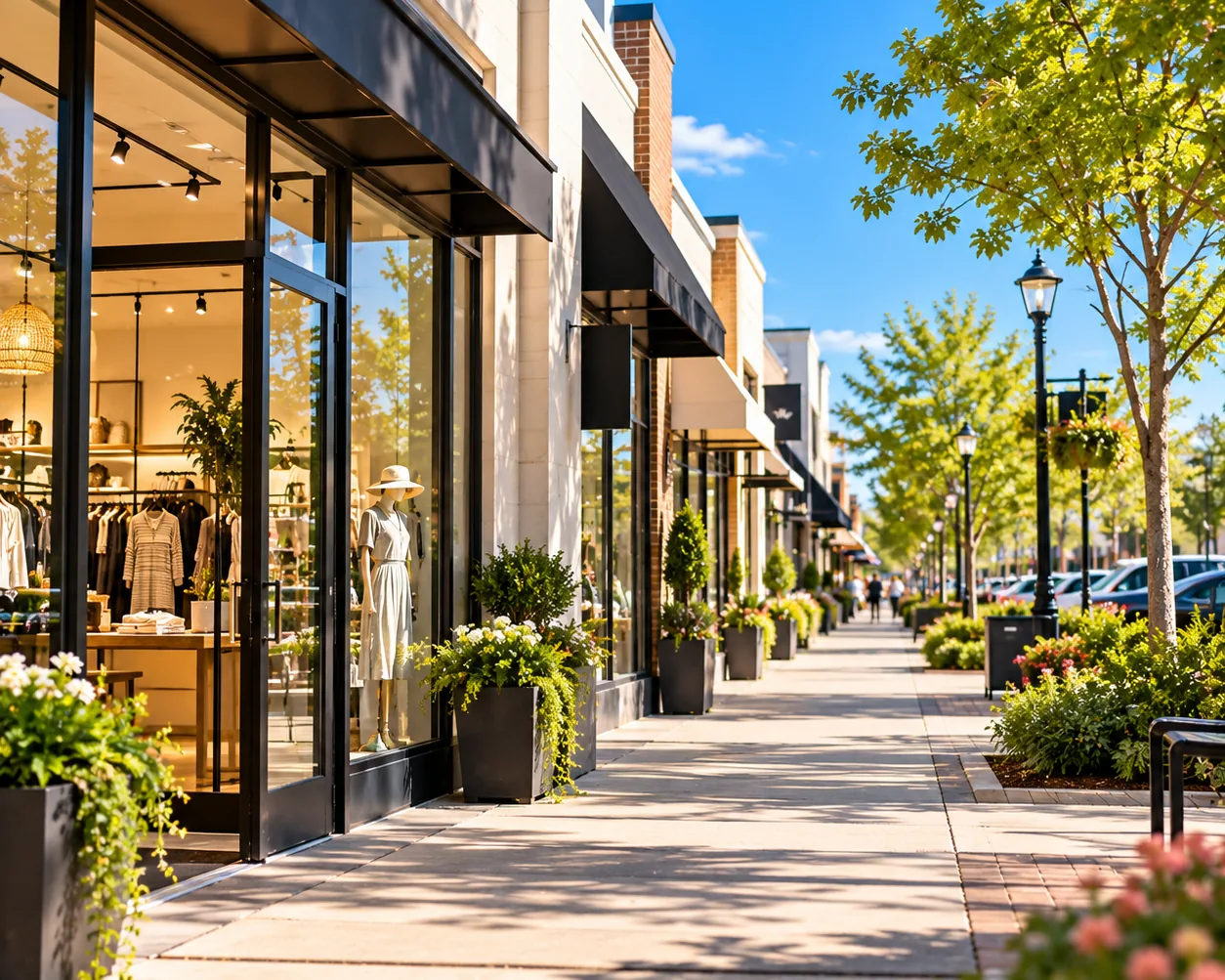
A retail policy has to answer for three things at once: the premises, the inventory, and the customer standing in front of the register.
A grocery store, a jeweler, a gas station, a gallery, a florist and a groomer do not look much alike from the sidewalk. What they share is a location open to the public, merchandise or equipment concentrated in one place, and money moving across a counter.
Where retail claims actually come from.
Different stores, the same short list of losses.
- The floor you invite the public onto. High foot traffic is the whole business model and it is also the largest liability exposure. An aisle mopped without a wet floor sign, a crack in the parking lot, a display that shifts: any of them can become an injury claim, and defending one costs money whether or not the store was at fault.
- The inventory is the balance sheet. Stock is concentrated in one building, and fire, water, wind and vandalism do not care what it cost. Textiles burn and water-stain, food warms, and a single case of high-value goods can carry more value than every fixture around it.
- Theft is not only the break-in. Commercial property may respond to some theft losses, but crime coverage is what reaches the rest: burglary and robbery, fraud and forgery, and the employee who pockets a difference, undervalues a trade-in or walks out with inventory.
- What you sell can injure the person who bought it. Food that spoils and sickens a customer, a pet product that harms an animal, alcohol consumed after it leaves the store. Even where a manufacturer ultimately bears responsibility, the retailer is named in the suit and pays to be defended out of it.
- Refrigeration and equipment are revenue systems. A cooler, a freezer, a pump or a repair machine going down is not only a repair bill. It can spoil the product inside it and stop sales until it is fixed, which is a different loss from the equipment itself.
- Card and customer data travel with every sale. Stores run high volumes of card and mobile payments and hold customer and employee records. A breach brings notification costs and claims that a commercial property policy was never written to answer.
The lines a retail program is built from.
Which of these belong on the policy depends on what the store sells, what it stores and who it lets in.
- Commercial property. The building if it is owned, and in every case the contents: fixtures, display cases, coolers, registers, signage, tools and inventory. Leased equipment usually needs to be named as well.
- Business income and extra expense. Pays the revenue lost while the store is closed for a covered repair. This is the coverage that decides whether a fire is an interruption or the end of the business.
- General liability. Customer injury, damage to a customer's property, and defense of the claims that follow. For a store with constant foot traffic this is the working coverage, not a formality.
- Crime and employee dishonesty. Written to fill the theft gaps property insurance leaves. It reaches robbery, burglary, forgery, fraud and losses caused by the staff themselves.
- Product liability. For harm caused by something the store sold, whether or not the store made it. Food, pet products and anything consumed or applied raise this exposure sharply.
- Inland marine. Property insurance follows the building, not the goods. Inland marine covers stock and equipment while it is in transit under your own control: warehouse to storefront, shop to appraiser, showroom to a trade show.
- Equipment breakdown and spoilage. Covers the mechanical failure itself and, where spoilage coverage is added, the perishable product ruined when refrigeration stops.
- Cyber liability. For a breach of payment or customer data, including the costs of the lawsuits that follow one.
- Business auto, hired and non-owned. Business auto covers vehicles the store owns. Hired and non-owned is what responds when an employee runs a delivery or an errand in their own car, which a personal policy will not cover.
- Commercial umbrella. Sits above general liability and auto for the catastrophic claim that exhausts them, which on a premises exposure is a real possibility rather than a remote one.
Premium on a retail account generally turns on what is sold, the location, the size of the operation, the number of employees, revenue and any claims history.
What changes from one kind of store to the next
The core program is similar. These are the places where it has to be written differently.
Grocery and convenience stores
The distinguishing exposure is refrigeration. Equipment breakdown coverage answers the failed compressor and, with spoilage added, the product lost inside it. Departments change the policy again: a pharmacy needs druggist liability, a beer and wine license needs liquor liability, and prepared and packaged food carries product liability if a customer is made ill.
Gas stations and fuel retailers
Two exposures set fuel apart. The first is pollution: a pump backed into, a driver who pulls away with the nozzle still in the car, or an underground storage tank that leaks. Each brings cleanup costs, defense costs and damages, and general liability excludes pollution. The second is cash. Stations handle a great deal of it and are robbed and burglarized more often than most retailers. Add a repair bay and you also take on the property of others in your care, custody and control.
Jewelers
So much of the inventory is high in value that theft coverage has to be written deliberately rather than left to whatever the property policy happens to allow. Appraisal is the second exposure: undervaluing or overvaluing a piece is a professional error, and errors and omissions coverage is what answers for it. Employee dishonesty matters here more than almost anywhere, because the person handling the stock knows exactly what it is worth.
Art galleries
Much of a gallery's capital is work it does not own, so all-risk property has to cover pieces on consignment for theft, fire, water and damage in transit to and from an appraiser or a show. Art title insurance is specific to this business: if stolen work reaches your gallery and the original owner sues, it funds the defense and responds if the claim to ownership is good. Galleries also live on exhibits, which makes event cancellation coverage a revenue protection rather than a nicety.
Floral shops
The stock is perishable and the refrigeration keeping it alive is part of the property schedule alongside the coolers and thorn strippers. Delivery is the other half of the risk: vehicles on the road daily, arrangements carried into other people's homes, and employees who sometimes use their own cars, which is a hired and non-owned exposure. Missing a wedding deadline or supplying the wrong flowers is a professional liability claim, not a property one.
Furriers and garment dealers
The merchandise is the business, and furs, silks and designer goods are both highly desirable to thieves and easy to ruin: many textiles are flammable and water damages them outright. Crime coverage fills the theft gaps property leaves, and it also reaches the fraud and forgery that follow designer labels. Inland marine matters because these goods move: warehouse to storefront, storefront to a fashion show, and standard property coverage may not follow them.
Pet businesses
Once an animal is in your care, custody or control, at your location or in your vehicle, general liability is not the coverage that responds. Animal bailee insurance is, and it addresses injury, death or loss of a pet in your keeping. A groomer, kennel, daycare, trainer or pet store also carries product exposure for food, toys, accessories and the shampoo used on the animal, and a mobile operation has a different property and auto profile from a facility.
Retail questions we hear most
Does commercial property insurance cover my inventory, or only the building?
Both, if it is written that way. The building is one part, and business personal property covers the contents: fixtures, display cases, coolers, registers, signage, tools and stock. Leased equipment and high-value categories often need to be scheduled specifically rather than left to a blanket limit.
My freezer failed and I lost everything inside it. What pays for that?
The equipment itself is an equipment breakdown claim. The product that warmed up is a separate loss, and it is covered only if spoilage coverage has been added. For a grocery, deli or floral operation that is one of the more consequential decisions on the policy.
If property insurance already covers theft, why would I add crime coverage?
Because the two are not the same shape. Property responds to certain theft losses within its own limits and exclusions. Crime coverage is broader: robbery and burglary, forgery and fraud, and dishonesty by your own employees, which property policies generally do not reach at all.
My employees make deliveries in their own vehicles. Is that covered?
Not by their personal auto policy, which excludes business use, and not by business auto if the business does not own the car. Hired and non-owned auto coverage is what closes that gap, and any shop running deliveries or supply runs should have it.
A customer was harmed by a product I sold but did not make. Am I exposed?
Yes. Sellers get named in product claims alongside manufacturers, and even where the manufacturer ultimately bears responsibility, you pay to be defended until that is settled. Product liability coverage is what funds the defense and any damages allocated to you.
- Contractors, Trades & Field Services
- Manufacturing & Distribution
- Energy, Oil & Gas
- Agriculture & Farm
- Transportation & Logistics
- Trucking Insurance
- Automotive Businesses
- Restaurant, Hospitality & Food Service
- Beauty, Salon, Spa & Personal Care
- Sports, Fitness & Recreation
- Cannabis Insurance
- Medical, Dental & Veterinary Practices
- Senior Care & Residential Facilities
- Professional Services
- Technology & Digital Businesses
- Nonprofit, Community & Public Entity
- Real Estate, Property Owners & Lessors
Let's put the right policy in place.
Oxford Risk LLC is an independent agency. We represent you rather than a single carrier, which means we can place your coverage with the company whose appetite actually fits your risk. Tell us what you need to protect and an advisor will take it from there.
- Call (330) 315-3081
- Hours Monday - Friday: 8:00 AM - 4:00 PM
- Offices Fairlawn, OH, Cranberry Township, PA, Columbus, OH, Livonia, MI