

Energy, Oil & Gas Insurance
Work sites where one incident can be a property loss, an injury and an environmental claim at the same time.
Operators, midstream companies and the services that keep them running.
The insurance question changes depending on whether you own the well, move the product, or supply the crews and equipment that work on someone else's location.
- Exploration and production operators working wells and pads.
- Midstream and gathering companies moving product by pipe and by truck.
- Oilfield service and equipment companies whose people and machinery operate on client sites.
- Businesses whose high value equipment moves regularly between locations, by road or by sea.
- Companies with employees, contracts or receivables outside the United States.
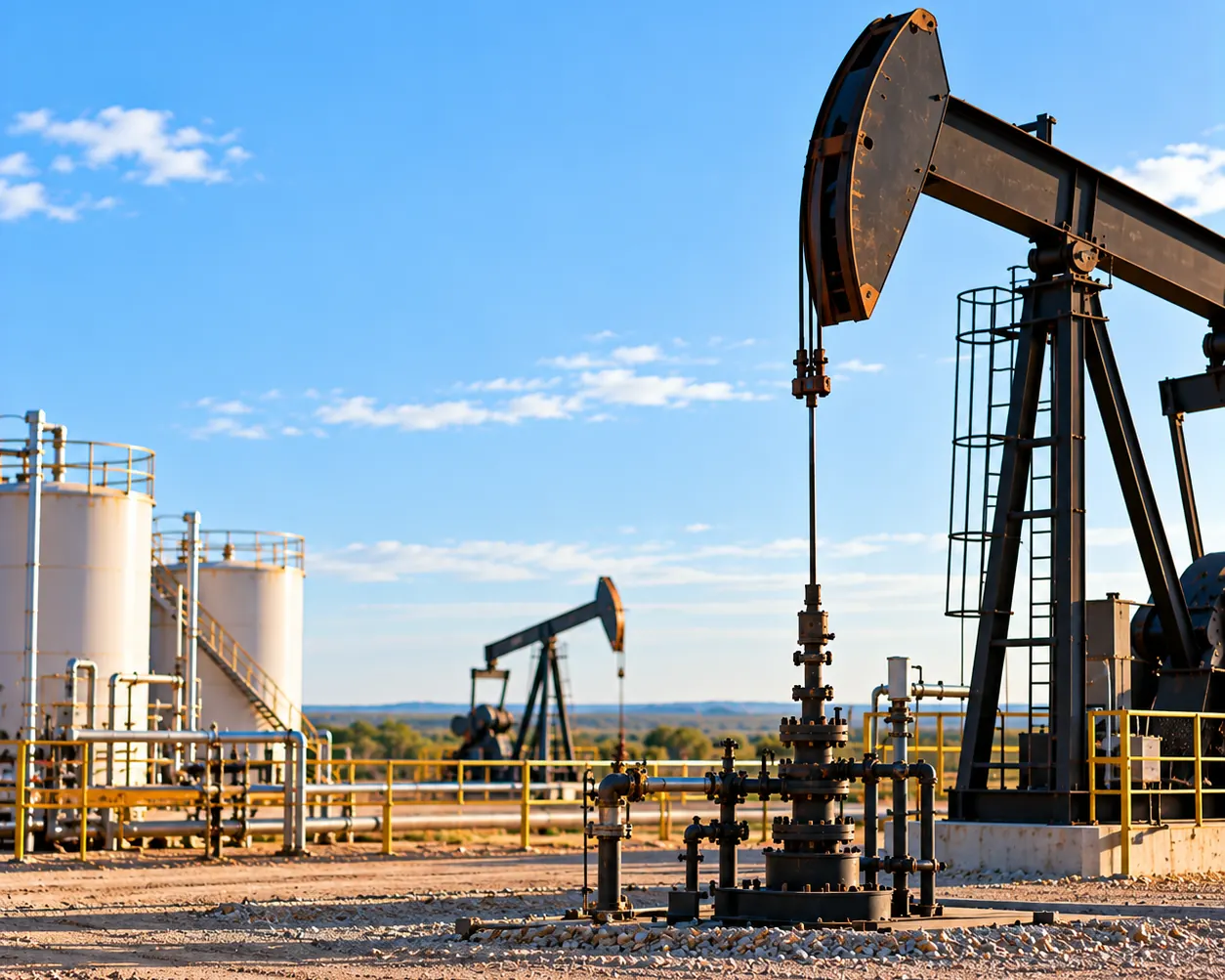
In energy work a single incident is rarely a single claim.
Work sites in this industry are hazardous to your property and to the people on them. A fire or an explosion is not only a property loss, it is an injury claim as well, and often a release into the ground or water around it. That is why general liability sits at the base of an energy program, and why it is never the whole program.
The Utica and Marcellus shale formations run beneath much of Ohio and western Pennsylvania, so the work in this region spans exploration and production, the midstream companies that move the product, and the service firms whose crews and equipment operate on someone else's site. The industry is highly specialized and constantly evolving to meet demand, and what each of those operations does with equipment, chemicals and people is what separates one policy from the next.
What actually goes wrong on an energy site.
Severity is the defining feature here, not frequency.
- Pollution is generally excluded from general liability. This is the most consequential gap in the industry. You can take every measure to prevent an environmental incident and a spill can still happen.
- Injury claims follow the hazard. A site that is dangerous to property is dangerous to people, and in an industry with this hazard profile employee injury carries more weight in the program than it does in most.
- Equipment spends much of its life in motion. Drilling and service equipment is high in value and moves between sites, by road and sometimes by sea, so for much of its life it is nowhere near the yard a property policy is written to.
The lines an energy program is assembled from.
Some of these are specific to the industry. The rest are ordinary commercial coverages, which are easy to overlook when the technical exposures dominate the conversation.
- General liability. The base of the program, for accidents and for catastrophic events such as fires or explosions that result in property damage or injury. It does not respond to pollution.
- Workers compensation. Cover for employees hurt on the job, including while they are recovering and away from work.
- Environmental insurance. Written for accidental pollution and contamination: cleanup, the lawsuits that follow, and the other expenses that can put the business itself at financial risk.
- Inland marine and ocean marine. Protection for equipment while it is in transit over land and over sea, which a policy tied to a location does not follow.
- Business auto. For company vehicles involved in an accident, and the liability that comes with them.
- Cyber liability. For a hack or a data breach, and the cost of responding to one.
- International business insurance. Fills the gaps in domestic coverage for work outside the country, including the liability of employees while they are overseas and non-payment by clients that would be difficult to resolve in local courts.
Energy questions we hear most
Does our general liability policy cover a spill?
No. Pollution and contamination are excluded from general liability. An environmental policy is the one written for accidental releases, and it is what responds to cleanup costs, the lawsuits that follow and the expenses behind them.
We already have property insurance. Why would equipment need its own coverage?
Because property coverage is tied to a location. Drilling and service equipment moves between sites and sometimes travels by sea, and inland marine and ocean marine coverage are written to protect it while it is in transit.
We work outside the United States. Does our policy follow us?
Generally not far. A domestic plan is written for domestic operations. An international business insurance plan is what fills those gaps, and it can also address the liability of employees while they are overseas and clients who do not pay where the dispute would be difficult to resolve in local courts.
Which coverages do energy businesses most often leave out?
The ordinary ones. Liability and environmental coverage get the attention the hazard deserves, and then business auto, cyber liability and coverage for equipment in transit are treated as afterthoughts, even though a vehicle accident or a data breach reaches an energy company the same way it reaches any other business.
- Contractors, Trades & Field Services
- Manufacturing & Distribution
- Agriculture & Farm
- Transportation & Logistics
- Trucking Insurance
- Automotive Businesses
- Restaurant, Hospitality & Food Service
- Retail & Consumer Businesses
- Beauty, Salon, Spa & Personal Care
- Sports, Fitness & Recreation
- Cannabis Insurance
- Medical, Dental & Veterinary Practices
- Senior Care & Residential Facilities
- Professional Services
- Technology & Digital Businesses
- Nonprofit, Community & Public Entity
- Real Estate, Property Owners & Lessors
Let's put the right policy in place.
Oxford Risk LLC is an independent agency. We represent you rather than a single carrier, which means we can place your coverage with the company whose appetite actually fits your risk. Tell us what you need to protect and an advisor will take it from there.
- Call (330) 315-3081
- Hours Monday - Friday: 8:00 AM - 4:00 PM
- Offices Fairlawn, OH, Cranberry Township, PA, Columbus, OH, Livonia, MI